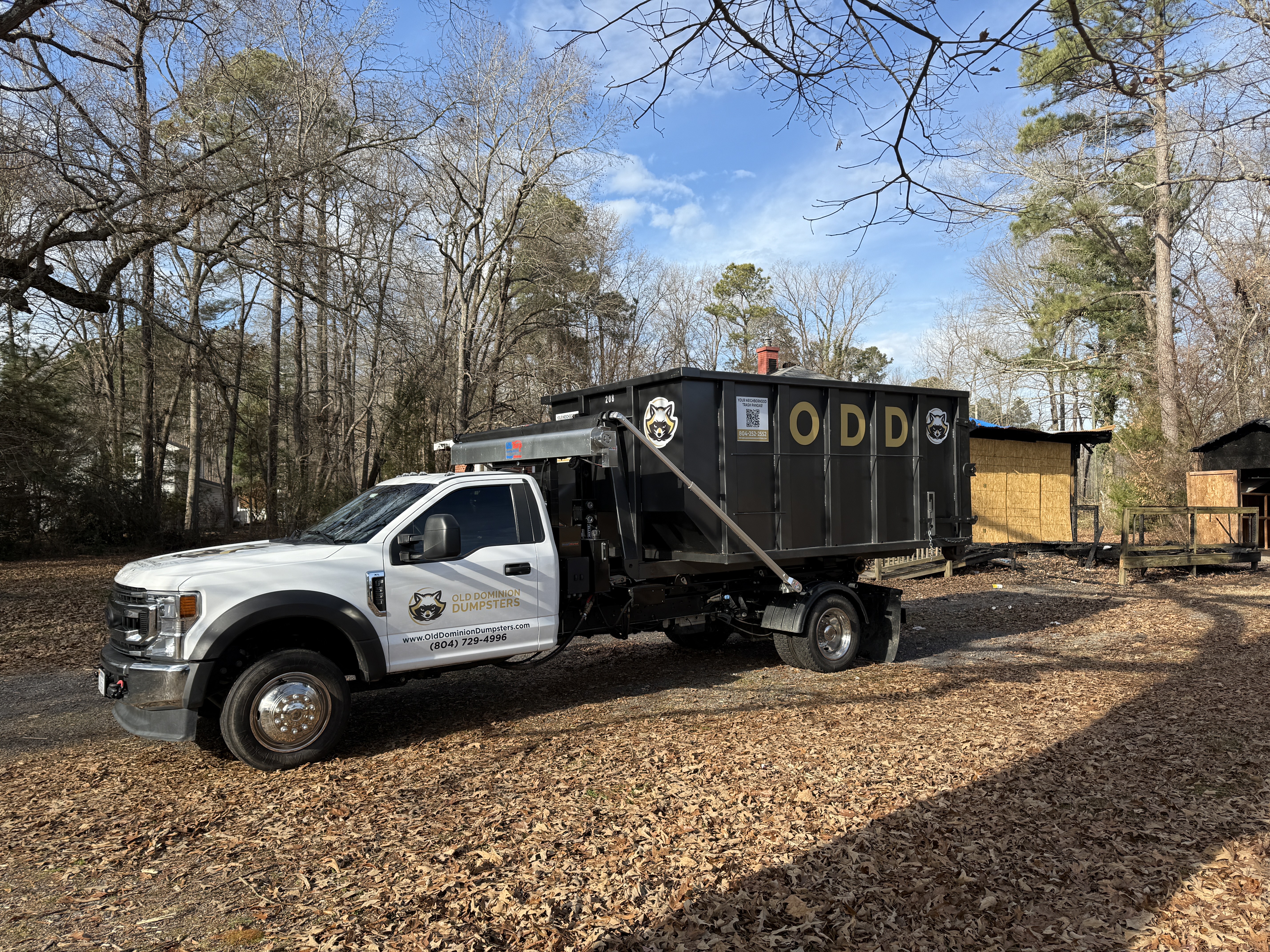
Renting a dumpster is one of the most convenient ways to handle significant volumes of trash during property cleanups, remodeling work, or construction projects. But being aware of what can be placed inside is equally important as having the dumpster ready. Loading prohibited waste into the container can lead to delays in pickup, additional work to sort out prohibited items, and potential compliance issues with waste management regulations. Understanding the rules helps projects stay on track.
At Old Dominion Dumpsters, we strive to make the rental process as smooth as possible by sharing clear information about what can and cannot be disposed of. When clients are informed, they can plan ahead and avoid unnecessary complications. Good planning allows better use of available space and encourages safe stacking. Being aware of prohibited materials helps protect nature and the safety of everyone involved in the disposal process.
What Household Items You Can Throw Away
Most typical home clutter can safely go into a rental dumpster. Furniture, clothing, paper, and normal trash can typically be thrown away. You can also dispose of appliances without refrigerant, toys, and small decorations. Such materials are classified as general trash and are processed easily. Organizing waste inside the dumpster helps optimize capacity.
We encourage a quick sort before disposal. Pulling out recyclable items like metal or cardboard can save room. Properly arranging clutter keeps the load stable and safe. It is particularly beneficial when clearing out heavy household clutter.
Construction and Remodeling Debris
Dumpster rentals are perfect for handling construction and remodeling debris. You can dispose of flooring, siding, and drywall in the rental. Both homeowners and contractors enjoy the convenience of centralized debris collection. Centralized disposal keeps job sites clear and running efficiently.
Cutting large debris down helps use space efficiently. Stacking materials flat allows for a more balanced load and helps prevent overfilling. Sorting by material type makes loading faster and more organized. Well-organized waste removal shortens project timelines.
Outdoor Waste You Can Dispose Of
Landscaping projects often produce a lot of debris, and dumpsters are a great solution. Branches, leaves, and clippings are usually allowed in the container. Clean soil and landscape debris are often permitted in limited amounts. Having a dedicated place for this type of waste makes seasonal cleanup projects more manageable.
Start with heavy limbs at the bottom, then add lighter debris. This method keeps the load balanced and maximizes space. Removing yard debris quickly makes outdoor projects finish faster. more info Neat yards enhance property appearance and overall value.
Prohibited Dumpster Materials
Certain materials cannot be placed in a rental dumpster for safety and regulatory reasons. Flammable liquids, solvents, paints, and other hazardous chemicals are banned. Electronic devices, batteries, and medical waste require special disposal. Improper disposal of these items can harm workers, equipment, and facilities.
It is recommended to check prohibited items before loading to prevent issues. When unsure about an item, customers should inquire before disposal. Taking a cautious approach helps prevent unnecessary delays and ensures that disposal follows local guidelines. Proper planning reduces the chance of additional handling and keeps projects moving forward.
How to Load a Dumpster Safely
Proper loading strategies maximize the use of your dumpster. Start with heavy debris at the base and lighter items on top for stability. Dismantling large furniture or cabinets helps maximize space. Organizing debris properly prevents overfilling and allows for maximum capacity.
Balanced loads reduce the risk of uneven hauling. Even weight distribution prevents tipping and improves safety. Neat loading minimizes mess and cleanup needs. Adhering to proper loading guidelines streamlines the disposal process.
Following Dumpster Regulations
Adhering to dumpster rules supports safety and community welfare. When prohibited materials are kept out of the dumpster, it protects the environment and prevents harm to disposal facility workers. Responsible waste management minimizes delays and keeps pickup on schedule.
Customers who follow disposal guidelines contribute to a cleaner and safer community. Teamwork in following guidelines supports proper waste management. Abiding by rules prevents penalties and extra charges. Proper disposal begins with understanding allowed and banned items.
How to Use a Dumpster Correctly
Proper dumpster use starts with knowing what items are allowed. Correctly sorting household, construction, and yard waste ensures smooth disposal. Excluding prohibited materials ensures safe and legal disposal.
Old Dominion Dumpsters is committed to helping customers complete their projects efficiently and safely. Using correct loading methods and following rules maximizes the rental benefit. Following correct practices results in a safer, cleaner, and more efficient cleanup.
Comments on “Guide to What is Allowed and Prohibited in a Dumpster Rental”